
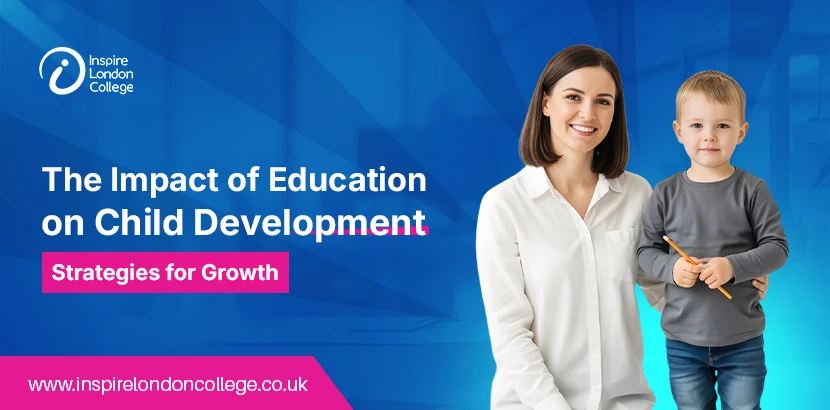
Can education really change a child’s future? Yes, it can. Early learning shapes how children think, feel, and grow. When children learn in a safe and caring space, they build strong language skills, better focus, and healthy emotions. These early years matter the most because the brain grows fast during this time.
As a result, education becomes more than lessons. It becomes a tool for confidence, curiosity, and problem-solving. In addition, children learn how to share, listen, and work with others. Over time, these skills help them succeed in school and in life.
In this guide, you’ll explore how the impact of education on child development creates strong foundations and supports children as they grow.
Understanding Child Development in Early Years
Early childhood shapes the way children move, think, feel, and connect with others. During this stage, growth happens fast. Every experience adds strength to the foundation of learning. As a result, children build skills that support them throughout life.
1. Physical Development
Children grow strong through movement. They learn control through active play. Running, jumping, climbing, and balancing improve gross motor skills. Holding crayons, stacking blocks, and using scissors strengthen fine motor skills.
Movement-based learning plays a key role. Dancing, ball games, and obstacle courses improve coordination. Hands-on tasks also build muscle control and independence. Activities like these show how does a child’s education affect their development, as early learning experiences shape both physical growth and brain development.
2. Cognitive Development
Children absorb language quickly in their early years. They learn new words through stories, songs, and simple conversations. Consequently, early exposure to books builds listening and speaking skills. Repetition strengthens memory. Clear speech improves understanding.
At the same time, children develop thinking skills. Simple puzzles, sorting games, and matching activities build problem-solving ability. As a result, children learn to explore, question, and experiment. Studies from the National Library of Medicine show children in high-quality early education programs perform better in language, maths, and thinking skills than those who don’t.
3. Social and Emotional Development
Children learn emotions through daily experiences. They begin to understand feelings such as happiness, anger, and frustration. Gentle guidance teaches them how to calm down and express emotions in healthy ways. Because of this, emotional regulation becomes stronger over time.
In addition, social interaction builds confidence. Playing with friends teaches sharing, listening, and taking turns. Group activities develop respect and teamwork. As a result, children form meaningful peer relationships. These early connections help children feel safe, valued, and ready to grow. These experiences show what is the role of education in growth, as schools and learning environments shape emotional, social, and interpersonal skills that children carry throughout life.
The Impact of Education on Child Development
Education creates lasting change in a child’s life. Early learning builds strong habits that support growth, success, and learning skills. Understanding what are the educational implications of growth and development helps caregivers and teachers create experiences that truly support children. Every skill learned early shapes how children adapt to challenges and opportunities.
- Long-term Academic Benefits
Strong early learning improves reading, writing, and maths skills. Children develop better focus and memory. Therefore, they feel more confident in school. Over time, they perform better in tests and classroom activities. In addition, they develop a love for learning that lasts into adulthood. - Behavioural and Emotional Resilience
Education teaches children how to manage feelings. Structured learning helps them stay calm in difficult situations. As a result, they learn patience, self-control, and respect for others. Consequently, they bounce back faster from setbacks and build stronger emotional stability. - Social Competence and Communication Skills
Learning environments encourage children to speak, listen, and share. Regular group activities improve teamwork and cooperation. In addition, children learn how to express ideas clearly. Therefore, they build strong friendships and healthy social habits that support lifelong relationships. - Equity in Learning Opportunities
Quality education gives every child a fair chance to succeed. Access to early learning reduces gaps in development. As a result, children from different backgrounds gain equal support. In turn, communities become stronger, more inclusive, and more balanced.
Strategies for Growth in Early Childhood Education
- Play-Based Learning: Children explore and learn naturally through play. Guided play shapes skills, while free play sparks creativity. Storytelling, music, and role-play make learning fun and memorable. Schools that focus on play show the role of school in child development by helping children develop thinking, social, and motor skills.
- Individualised Learning Approaches: Every child learns differently. Differentiated instruction helps meet unique needs. Tailoring activities supports children with diverse abilities and learning styles.
- Parent–Educator Partnerships: Strong communication connects home and school. Parents reinforce lessons at home. Teachers guide families to support growth and confidence.
- Creating a Stimulating Learning Environment: Safe and inclusive spaces encourage exploration. Also, rich resources make learning hands-on and exciting. Finally, clear routines help children feel secure while discovering new skills.
Challenges in Early Childhood Education and How to Overcome Them
- Limited Access to Quality Education: Many children miss early learning opportunities. Expanding local programs ensures more children benefit. Mobile and community-based initiatives reach those in remote areas. This shows how early childhood education affects development, as children who start later often face delays in key skills.
- Socio-Economic Barriers: Financial constraints affect attendance and resources. Providing affordable programs and scholarships helps families. Community support and partnerships reduce gaps.
- Behavioural and Learning Difficulties: Children face unique challenges in learning and behaviour. Early identification and tailored support improve outcomes. Specialised educators guide children with patience and care.
- Practical Solutions and Policy-Aligned Practices: Effective policies improve access, quality, and equity. Schools adopting structured strategies see better engagement and growth. Collaboration between educators, families, and communities drives success.
Ready to Nurture Young Minds? Start Your Journey in Early Years Education
Early education shapes children’s growth, learning, and emotional skills. Understanding the impact of education on child development helps caregivers and teachers provide meaningful experiences. Every story read, every game played, and every skill learned builds a strong foundation for their future. Supporting children in these early years helps them succeed in school and in life.
Inspire London College offers a flexible Early Years Education qualification for aspiring educators. Study online with 24/7 tutor support and easy monthly instalments. Gain practical skills to make a real difference in children’s lives while fitting learning around your schedule. Start helping young minds grow today.