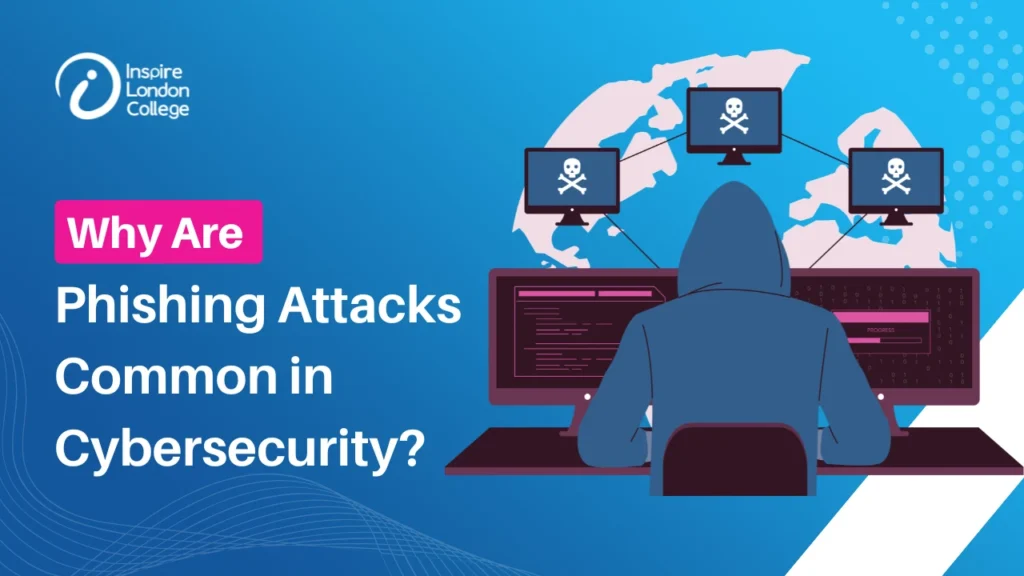

Every day, millions of emails, messages, and fake websites try to steal personal information. Knowing why are phishing attacks common in cybersecurity helps us understand the risks for both people and businesses. These attacks work because they trick human curiosity and take advantage of low awareness, even with better technology. Learning how they operate is the first step to staying safe online.
Through this guide, you’ll explore what phishing is and how it works. You’ll also learn how attackers target victims and how to protect yourself and your business.
What is Phishing?
Phishing is a cyber attack where criminals trick you into sharing personal information. They often pretend to be banks, social media sites, or colleagues. Criminals send emails, text messages, or create fake websites to steal passwords, credit card numbers, or login details.
Online scams can target anyone, from individuals to large companies. Phishing in cybersecurity can cause serious financial loss and personal harm. Attackers use stolen information quickly, so always check messages before responding.
Why Phishing Attacks Are Prevalent
Phishing attacks are a serious threat because they take advantage of human behaviour and simple tools. Looking at why are phishing attacks common in cybersecurity shows the risks for both people and businesses.
- Ease of Execution
Hackers can carry out phishing attacks very easily. They only need simple tools, such as email templates and websites. They do not need advanced programming skills. This simplicity lets even new cybercriminals try phishing, which increases the total number of attacks.
- High Success Rate
Phishing attacks often work because people trust the messages they receive. Attackers make emails and websites look real. Many people do not check links or sender addresses. This lets attackers quickly steal valuable information. It also shows why are cyber attacks costly for businesses, as sensitive data can be exposed or misused.
- Targeting Large Audiences
Phishing emails reach thousands of people at the same time. Cybercriminals send these bulk messages, hoping some people will respond. Even if only a few fall for the scam, attackers get enough data to make a profit. Targeting so many people makes phishing a very effective attack.
- Exploitation of Current Events
Hackers use news events and crises to trick people. They focus on topics like natural disasters, pandemics, or tax deadlines to make emails feel urgent. People react quickly and click links without thinking. Attackers take advantage of fear, curiosity, and urgency to succeed more often.
- Inadequate Cybersecurity Awareness
Phishing scams succeed because people do not always know what to watch for. Many emails and websites look real, and many staff members never get enough guidance. This shows why is cybersecurity awareness crucial. It stops attackers from stealing data and breaking into systems.
Consequences of Falling for Phishing
Phishing scams can cause serious problems very quickly. Hackers can steal money, take personal details, or lock people out of their online accounts. Businesses can face financial loss, harm to their reputation, and legal trouble. Criminals often reuse stolen information, making future attacks more likely.
These attacks can also create stress and major disruption. Victims may spend days fixing accounts, changing passwords, and learning how to prevent phishing. In the workplace, one phishing email can give attackers access to systems. This can slow down daily tasks, weaken security, and increase the risk of more cyber attacks.
Final Thoughts
Phishing attacks are common in cybersecurity because they are easy and profitable for criminals. This is why are phishing attacks common in cybersecurity. People and businesses need to be careful and always check emails or messages before taking action. Using strong passwords, updating systems, and knowing how to spot scams can help lower the risk. Staying alert is the best way to protect yourself from these online threats.