
What would a cyber attack cost your company? Technology helps businesses grow, but hackers can strike at any time. Even small security gaps can cause big financial losses, slow down operations, and harm your reputation. Companies of all sizes face these risks, so taking preventive steps is important. Strong cybersecurity protects your operations, your customers, and your profits.
Through this blog, you’ll learn why are cyber attacks costly for businesses and how they impact finances, operations, and reputation. You’ll also discover practical steps to protect your company and reduce the risk of digital threats.
Understanding Cyber Attacks
Cyber attacks happen when criminals try to break into computer systems or networks. They often use fake emails, harmful software, or weak passwords. One common method is phishing, where attackers send deceptive messages. These messages trick users into sharing login details or bank data. Their main goal is to steal data or stop systems from working.
These attacks can slow down daily work and increase stress for staff. Systems may fail, and employees may lose access to important files. When businesses understand what is phishing and cyber attacks, they spot threats early. This awareness helps teams act quickly and reduce damage. As a result, organisations stay safer and remain in control.
How Cyber Attacks Weaken Business Resources and Reputation
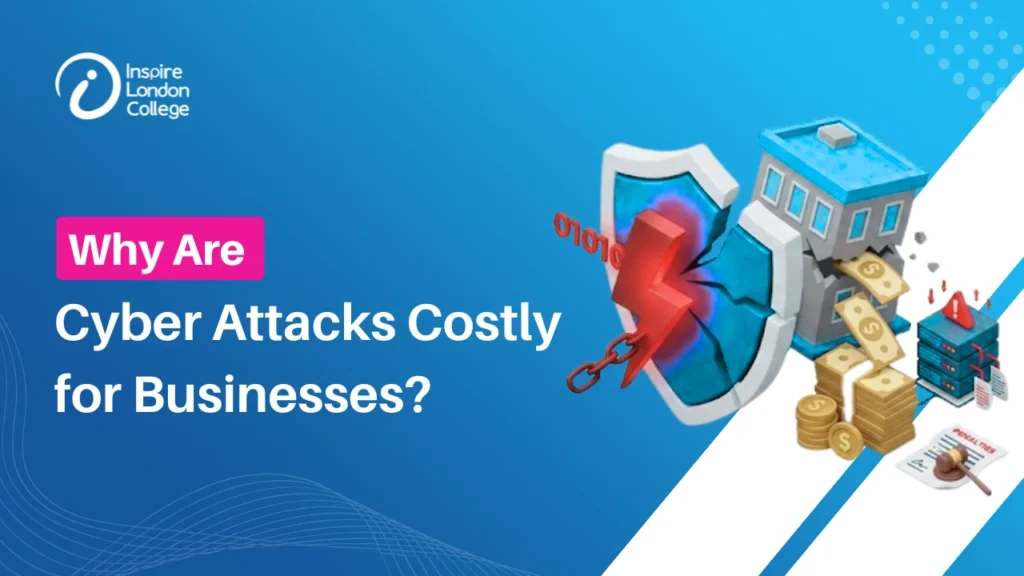
Cyber attacks don’t just target systems; they directly affect your resources and reputation, creating financial losses and operational challenges. Therefore, let’s look at why are cyber attacks costly for businesses in a highly connected business environment.
Direct Financial Losses
One of the most obvious costs of cyber attacks is financial. Hackers can steal your money through fraud or hold your data hostage in ransomware attacks. If they lock your system, you may have to pay a ransom to regain access. Even without paying, you spend thousands repairing systems, recovering data, and fixing damages. System downtime also hurts your business. Every hour your servers stop, you lose revenue, and customers can get frustrated quickly.
Operational Disruptions
Cyber attacks can stop daily business work. Employees may not be able to open files or use tools, which reduces productivity. Many small businesses ask, can cyber security protect small businesses? The answer is yes, when the right tools and basic skills are in place. Attacks can also affect partners and suppliers, causing delays in deliveries and projects. Even after teams fix the systems, work often stays slow and stressful for some time.
Reputational Damage
A company’s reputation can suffer greatly from security breaches. Customers expect you to protect their personal and financial information. When a breach happens, clients lose trust and may take their business elsewhere. Publicised attacks can damage your brand and reduce long-term customer loyalty. For publicly traded companies, a cyber breach can lower stock prices. It can also directly affect investors and how the market sees your company.
Legal and Regulatory Costs
Cyber attacks can lead to legal and financial penalties in today’s strict regulatory environment. If you fail to follow data protection laws like GDPR or CCPA, regulators can impose hefty fines. Customers affected by a breach may file lawsuits to recover losses or fraud, which adds legal fees and settlement costs. After an attack, companies often spend more on audits, compliance checks, and reporting measures. These steps increase administrative costs and can strain your budget.
Long-term Strategic Impacts
Security breaches can damage your business beyond immediate financial losses. Competitors can gain an edge if you lose customers or face operational delays. Hackers can steal your intellectual property, trade secrets, or research, which can slow innovation and reduce future revenue. Cyber attacks can also raise your insurance costs. Companies with a history of breaches often pay higher cyber insurance premiums. These extra costs can add up and affect your long-term business plans.
Preventive Measures Are Cost-Effective
Cyber attacks can cost your business a lot, but preventing them costs much less. Invest in cybersecurity tools and train employees to spot threats. Learn what skills are needed for cybersecurity, like spotting suspicious emails and managing passwords safely. Perform regular system checks to reduce attack chances and impacts. Proactive actions protect your money, reputation, and daily operations. In a world of constant cyber threats, prevention offers the best protection for your business.
Final Thoughts
Businesses face far more than technical problems when they suffer cyber attacks. They can cost money, slow operations, harm reputation, and bring legal issues. Knowing why cyber are attacks costly for businesses highlights the need for strong security measures. If you want to strengthen your knowledge and protect your business, take cybersecurity courses from Inspire London College. These courses help you stay ahead of threats.