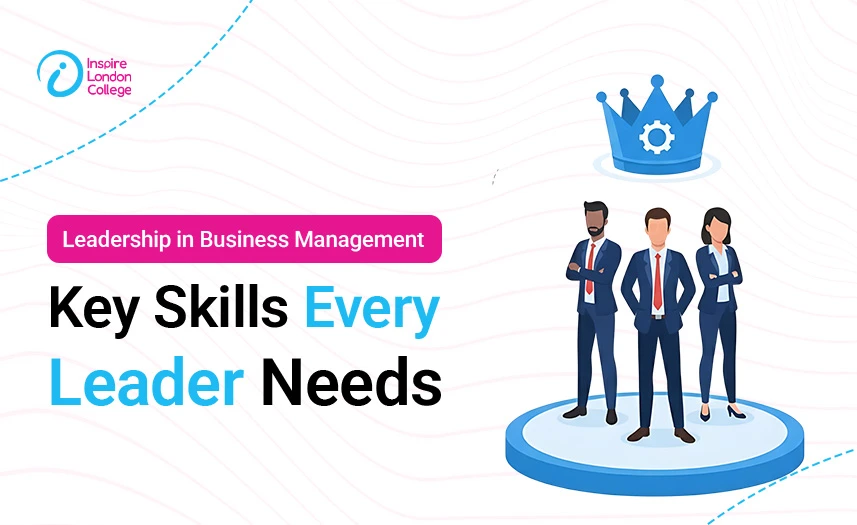

Leadership in business management is more than setting goals; it’s about inspiring people, guiding teams through challenges, and creating a vision that everyone believes in. The importance of leadership lies in its power to boost productivity, build trust, and shape the culture of an organisation. Strong leaders don’t just manage tasks; they motivate, make better decisions, and turn uncertainty into growth. When you strengthen your leadership skills, you build a business where people feel valued, engaged, and ready to achieve long-term success.
Leadership in business management is more than a role; it’s a set of skills you can master. Keep reading to find out how.
What is Leadership?
So, what is leadership, and why does it matter in business? At its core, leadership is the ability to guide people toward shared goals while inspiring them to give their best. Strong leadership is not only about setting targets. It’s about motivating your team, solving problems, and creating a culture where people feel supported.
When you understand ‘what is the definition of leadership’, you see that it combines vision, action, and influence. Leaders don’t just talk about values like honesty or integrity. They live them every day and set an example for others. With the right business leadership skills, you create trust, boost morale, and build teams that perform at a high level.
Importance of Leadership in Business Management
The importance of leadership in business management is vast. Without strong leaders, even the best strategies often fail. A leader provides direction, motivates people to take action, and ensures everyone moves toward the same shared vision. Leadership in business management shapes decision-making, culture, and long-term growth. Leaders create clarity during uncertain times and turn challenges into opportunities, guiding teams with confidence and purpose.
Leadership also impacts people on a personal level. When you lead with honesty, empathy, and vision, employees feel valued and motivated. This sense of belonging drives higher engagement and reduces turnover, saving businesses both time and money. A business with strong leadership becomes more than just a workplace; it becomes a space where innovation, collaboration, and a relentless pursuit of better results are the norm every day. Leadership is not just about achieving short-term goals; it’s about building a culture that ensures success remains sustainable for the future.
What’s the Difference Between Leadership and Management?
People often confuse leaders with managers, but their roles are very different. Both are essential, yet they focus on other things. On the one hand, a manager relies on the authority inherent in their job title. They organise tasks, oversee processes, and make sure rules are followed. Their strength lies in structure, order, and efficiency, keeping operations running smoothly and deadlines on track.
On the other hand, a leader, however, gains influence through qualities like vision, empathy, and trust. They inspire people to follow them, create direction, and motivate teams to reach higher goals.
In short, Leaders focus on people and bringing out their best, while managers focus on processes and alignment. The best organisations combine both: managers ensure work gets done correctly, and leaders make people want to do it with passion and purpose. Together, they boost engagement, productivity, and profit.
10 Must-Have Leadership Skills for Business Success
Strong leadership is not about titles or authority; it’s about building trust, guiding people, and driving results. Succeeding in business requires a combination of qualities that enable you to inspire others and make tough decisions with confidence. Let’s explore the essential business leadership skills every leader should master.
- Self-Motivation
Self-motivation means pushing forward even when challenges feel overwhelming. Instead of waiting for external praise, you create your own energy by staying committed to long-term goals. If you show discipline and focus, people will mirror it. A self-motivated leader doesn’t burn out easily; they adapt, recharge, and continue moving forward.
- Organisation
Organisation is the backbone of effective leadership. It’s not only about keeping schedules neat, but also about creating clarity in projects, workflows, and communication. An organised leader reduces confusion and saves time for everyone. When you set clear deadlines and manage resources well, your team works with less stress and greater efficiency.
- Delegation
Delegation means identifying the strengths of each team member and assigning tasks accordingly. It builds trust and gives employees a chance to grow while you focus on strategy. Leadership in business examples show how effective delegation can transform a company. For instance, Satya Nadella at Microsoft improved the company culture through delegating responsibility and encouraging employees to take ownership of innovation. That trust allowed the business to thrive under fresh ideas.
- Communication
No skill has a greater impact on leadership than communication. It’s more than speaking clearly; it’s about listening, explaining, and connecting. When you communicate effectively, your team understands your vision, aligns with goals, and values feedback. Teams perform better when they know expectations and feel heard. Poor communication, on the other hand, creates uncertainty and damages morale.
- Responsibility
True leadership shines when things go wrong. Responsibility means owning decisions, acknowledging mistakes, and making changes instead of blaming others. This creates a culture of accountability. When you accept responsibility, employees feel safer to take initiative because they know failure won’t lead to unfair blame. Responsibility strengthens trust and credibility over time.
- Goal Setting
Without clear goals, leadership loses direction. Setting goals gives your team purpose and measurable results to work toward. A good leader breaks down big visions into achievable steps while keeping the team inspired. Goals also help track progress and celebrate small wins along the way. Clear objectives turn effort into progress, rather than wasted energy.
- Risk-Taking
Playing it safe rarely drives growth. Taking risks means making bold, informed choices that drive your business forward. You need courage, data-driven thinking, and confidence in your team’s ability to adapt. Jeff Bezos at Amazon built his empire on this principle, taking risks on new products and markets even when success wasn’t guaranteed. Leaders who embrace calculated risks often create breakthroughs that cautious competitors miss.
- Integrity
Integrity is the foundation of leadership. It means acting with honesty, fairness, and consistency even when no one is watching. When leaders act with integrity, they inspire loyalty because people trust them. When your actions align with your words, your team feels confident in following you. Integrity protects your reputation and strengthens long-term relationships with clients, partners, and employees.
- Curiosity
Curiosity fuels innovation. Leaders who continually learn and question, inspire their teams to do the same. Curiosity means exploring new ideas, asking “what if,” and encouraging experimentation. In fast-changing industries, this trait enables businesses to stay ahead of their competitors. A curious leader doesn’t just accept old systems; they look for ways to improve them.
- Interpersonal Skills
Leadership is all about people. Strong interpersonal skills enable you to connect with employees, resolve conflicts, and foster positive relationships. When people feel respected and understood, they give their best. Leaders with empathy and emotional intelligence can maintain high morale even during challenging times. Effective interpersonal skills transform workplaces into communities where people take pride in belonging.
Tips to Improve Leadership Abilities
Strong leadership develops when you consistently show up, learn, and lead with purpose. You can sharpen your skills and grow into a more confident leader by focusing on a few habits:
- Keep Learning: Great leaders never stop learning. Read books, take courses, and stay up-to-date with industry trends. Every new skill you gain strengthens your ability to make smarter decisions and stay ahead.
- Ask for Feedback: Feedback provides a clear picture of how others perceive your leadership. Ask your team and mentors for honest opinions. Use their input to adjust your style and improve your impact.
- Practice Active Listening: Leaders who listen well build stronger relationships. Pay attention when your team speaks, ask follow-up questions, and show that their input matters. Listening often leads to fresh ideas and greater trust.
- Develop Emotional Intelligence: Leadership is about people as much as it is about strategy. Work on understanding emotions, your own and others’. This skill helps you remain calm in conflict, show empathy, and manage stress more effectively.
- Take Initiative: Step forward when challenges arise instead of waiting for direction. Showing initiative sets the tone for your team and demonstrates your ability to lead in challenging situations.
- Learn to Adapt: No plan works perfectly every time. Strong leaders adjust quickly when circumstances change. Flexibility allows you to keep moving forward while others may feel stuck.
- Build Connections: Networking Enhances Your Influence. Connect with other leaders, join professional groups, and share knowledge. Strong connections give you access to support, advice, and new opportunities.
Final Thoughts
Leadership in business management is more than directing tasks; it’s about inspiring people, shaping culture, and driving growth even in the face of challenges. Great leaders combine vision, empathy, and strategy to keep teams motivated and drive business success. When you master key leadership skills, you don’t just improve your career; you influence how others perform, how decisions are made, and how long-term success is achieved.
If you’re ready to strengthen these skills and grow into a leader who makes a real impact, the Level 7 Diploma in Strategic Management and Leadership of Inspire London College can be a powerful step forward. This qualification helps you refine your leadership abilities, build confidence in strategic decision-making, and position yourself for senior roles in business management. Start your journey today and become the kind of leader organisations trust to shape their future.