
What sparks the very first step in your child’s learning journey? Whether it’s stacking blocks or recognising letters, those early moments play a powerful role in shaping your child’s future. However, not all stages of learning are the same. Understanding the differences between early years education and primary education can help you make informed choices for your child or even inspire you to explore a rewarding career in learning.
Whether you’re a parent, aspiring educator, or simply curious, let’s explore how these two stages differ, why both matter and how you can get involved.
What Is Early-Year Education?
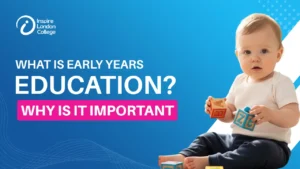
You might be wondering, what is early-year education? This is the very first step in your child’s educational journey, usually from birth to the age of five. It often happens in nurseries, preschools, or reception classes.
Early-year education centres around your child’s natural curiosity rather than focusing on strict lessons. Here, play is the most powerful tool. Children begin to develop essential skills in communication, movement, and social interaction through exploring colours, sounds, shapes, and stories. During this time, learning feels joyful, exciting, and fully connected to everyday experiences.
Did you know that 90% of a child’s brain develops before the age of five? That’s why early-year education is such a critical foundation for all future learning.
Key Components of Effective Early-Year Education
So, what makes early-year education truly effective? It’s not just about playing; rather, it’s about purposeful, meaningful activities that shape lifelong learners. So, let’s explore what truly matters in these early stages:
- To begin with, play-based learning ensures your child learns best through play, where imagination and discovery come naturally.
- Additionally, personalised attention is essential, as every child develops at their own pace. In early-year settings, teachers focus on understanding your child’s individual needs.
- Moreover, social and emotional development takes priority; building friendships, expressing feelings, and learning empathy become core experiences.
- At the same time, a language-rich environment supports growth, where singing, storytelling, and everyday conversations strengthen your child’s communication skills.
- Finally, parental involvement enhances the experience. Early-year education works best when you stay actively involved in your child’s learning, creating a strong home-to-school connection.
When these components work together, your child gains the confidence and curiosity to step into the next phase of their education journey.
What Is Primary Education?
Primary education begins around age 5 or 6 and continues until age 11 (Key Stages 1 and 2 in the UK). At this stage, children enter a more formal schooling environment where literacy, numeracy, and scientific thinking take centre stage. As a result, classrooms become more structured, and learning becomes increasingly academically focused.
During this phase, children learn to follow routines, complete assignments, and actively engage in classroom discussions. Ultimately, the goal is to develop strong foundational skills that prepare them for secondary education.
Key Components of Effective Primary Education
What makes primary education successful? It’s more than just following a curriculum. It’s about creating a learning space where children can develop academically and personally.
Here’s what drives effective primary learning:
- Structured Curriculum: Your child follows a planned learning path with clear objectives in core subjects.
- Experienced Teachers: Skilled educators use creative methods to keep your child engaged and motivated.
- Consistent Assessments: Regular evaluations help track your child’s progress and spot areas for improvement.
- Routine and Responsibility: Daily schedules and classroom expectations encourage focus and discipline.
- Inclusive Learning: Effective classrooms recognise each child’s unique needs and adapt teaching to help every learner succeed.
In this stage, your child begins to take more ownership of their learning while building critical thinking and problem-solving skills.
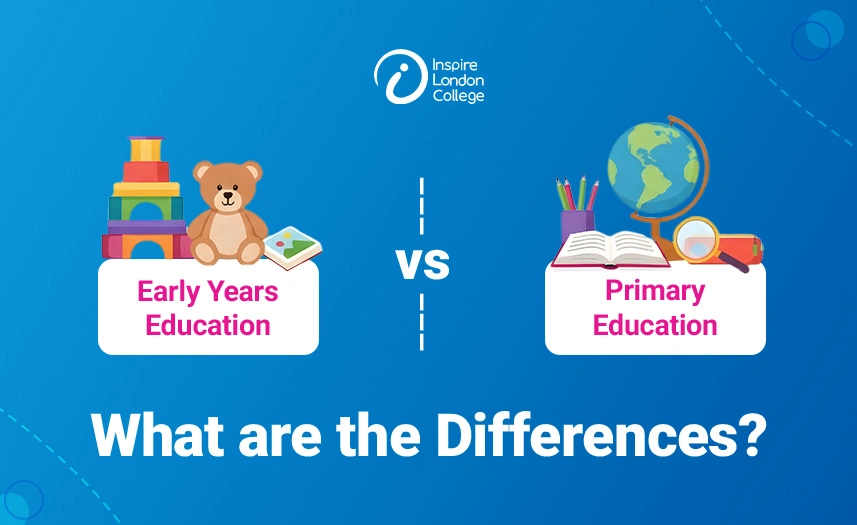
What’s the Difference Between Early Years Education and Primary Education?
Understanding the transition from early learning to formal schooling reveals more than just a change in age group. Let’s break it down in detail:
- Age Group and Development Growth: Early Year Education vs Primary Education
Early childhood education supports children from birth to around five years old, emphasising social, emotional, and physical development. In contrast, primary education begins around ages five to eleven, focusing on academic growth, independence, and structured learning.
- Curriculum Focus: Playful Learning vs Structured Learning
In the early years, playful learning dominates as your child learns through sensory play, creative exploration, and social activities. As they transition into primary education, the focus shifts to structured lessons in math, literacy, and science, where your child follows clear learning goals and academic progression.
- Learning Environments: Flexible vs Structured Discipline
Early years settings offer open, flexible spaces where your child can choose activities and explore freely. In contrast, primary education provides structured classrooms, where routines, rules, and discipline become an integral part of the learning experience.
- Teaching Methods: Activity-Based Learning vs. Formal Instruction
Early-year education focuses on singing, storytelling, painting, and movement-based learning. In contrast, primary school shifts the approach as teachers utilise direct instruction, facilitate class discussions, assign worksheets, and provide independent tasks to enhance knowledge.
- Promotes Social and Emotional Skills
Both stages nurture social and emotional growth, but in early years, this is a central focus. Your child learns how to express feelings, make friends, and manage emotions. Primary education continues this journey, with social development often occurring alongside academic activities, such as group projects and classroom debates.
- Cognitive Skill Development: Building Creativity and Logic
Early years encourage imagination and curiosity, allowing children to think creatively and learn through play. As children grow, primary education builds on this foundation by introducing logic, reasoning, and structured problem-solving. Consequently, your child learns to think critically while still nurturing their creativity.
- Assessment Techniques: Informal Observations vs Formal Tests
Teachers primarily track progress in early-year education through observations and informal feedback. They closely watch how your child plays, communicates, and explores the environment. On the other hand, primary education introduces more formal assessments, including written tests, quizzes, and end-of-term evaluations. As a result, the approach to measuring progress shifts from developmental cues to academic performance.
- Future Preparation: Confidence vs Academic Foundation
Early-year education builds confidence, social awareness, and emotional resilience in your child. In contrast, primary education lays the academic groundwork, ensuring your child develops reading fluency, strong numeracy, and research skills. Ultimately, when combined, these stages create a powerful foundation that prepares your child for long-term success.
Importance of Early-Year Education and Primary Education
So,why are both early-year education and primary education important? When it comes to early-year education, it builds emotional safety and sparks curiosity, two essential elements for meaningful learning. It helps children feel seen, heard, and empowered to explore the world around them. Without this critical stage, children may enter formal schooling without the readiness or confidence to engage and learn.
Meanwhile, primary education builds on this early foundation, introducing greater structure, discipline, and academic depth. It’s during this phase that children begin to identify their interests, uncover hidden talents, and develop the core skills they’ll carry into secondary school and beyond.
Therefore, skipping or undervaluing either stage creates a significant gap in a child’s development, one that can affect their confidence, learning ability, and long-term success. Strong early-year and primary education help your child grow academically, emotionally, socially, and intellectually.
Thinking of a Career in Early Years or Primary Education?
If learning about these stages has inspired you, then perhaps it’s time to consider joining this life-changing profession. Whether you choose to work in the early years, where you gently guide children through their first experiences or step into primary education, where you help young learners build essential knowledge and skills, you’ll be making a real difference.
Each path offers a clear sense of purpose and fulfilment. Moreover, there’s a consistent demand for passionate educators like you who are ready to shape the future.
What Jobs Can You Get in Early Years or Primary Education?
The career options are wide and rewarding. You could work as:
- Early Years Educator
- Nursery Practitioner
- Teaching Assistant
- Primary School Teacher
- Child Development Specialist
- Special Educational Needs (SEN) Support
Each role gives you the chance to shape young lives, whether you’re supporting first steps or teaching the foundations of reading and math.
Ready to Get Started?
If you’re excited about helping children grow and want to kick-start your career in education, Inspire London College is here to support you. You can choose from flexible online courses in:
We design our courses to fit around your lifestyle and help you gain the qualifications you need, whether you’re starting fresh or upskilling for career advancement. Learn at your own pace and get certified with confidence.
Final Thoughts
Now that you understand the key differences between early-year education and primary education, you’re better equipped to support your child or shape the future for others. Every stage matters. Every experience counts. Whether you’re a parent, a career changer, or an aspiring teacher, there’s always a new way to make a difference in a child’s life. So, what’s your next step?