

Teamwork is important in childcare settings because it helps staff work together to provide safe, consistent care and support children’s learning, development, and wellbeing.
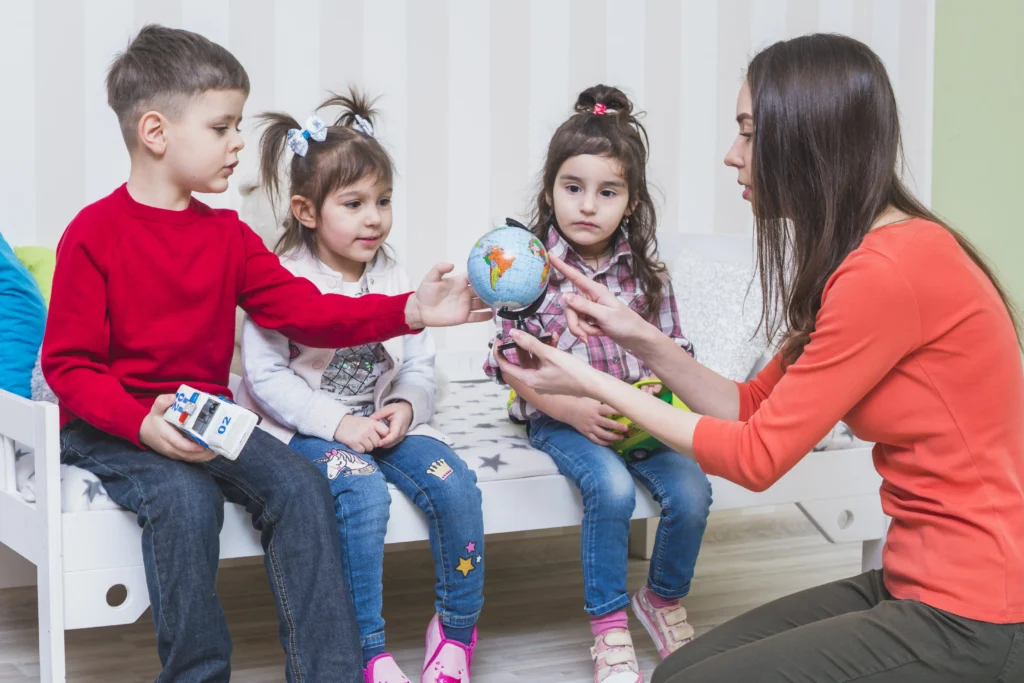
Teamwork is important in childcare settings because it shapes the quality of care children receive every single day. When staff communicate well and support each other, routines stay consistent. Safeguarding improves too, since concerns get noticed and shared quickly. The EYFS framework expects this in practice: clear communication, shared responsibility, and coordinated planning across the setting. So, when practitioners work as a genuine team, children notice it right away. Routines feel calmer. Care feels steadier. And most importantly, children feel safe.
This guide breaks down the importance of teamwork in childcare settings for children and staff, and shows you how to build it stronger in your own setting.
What Does Teamwork Actually Look Like in a Childcare Setting?
Imagine an ordinary morning in your work environment. One employee greets families, another prepares activities for the day ahead. Someone else looks at the daily schedule in order to see which children require additional help. This is not random. The whole team already knows its responsibilities and trusts each other to deliver.
So, why is teamwork important in childcare settings? Teamwork means coordinating routines, so children move easily between activities. It also means sharing observations about a child’s behaviour, so nothing important goes unnoticed. And it means supporting each other during the stressful moments every childcare day brings. Once you master this, the kids will not even notice how much effort goes into making their day easy and peaceful.
Why Teamwork Matters for Children
Kids pay attention to many more things than we think they do. Therefore, if the adults around them get along well, this affects nearly all aspects of their day. This is exactly why teamwork matters in early years and childcare; it lays the groundwork for how safe and settled a child feels, every single day.
Here is exactly how that plays out in practice.
● Consistency and Emotional Security
Children thrive when they have a routine, and routine works only through effective communication. When you all agree on how things will work and how to handle behaviour, you give the child real consistency.
● Richer Learning Through Shared Planning
Children learn better when staff plan collaboratively rather than individually. For instance, one may concentrate on teaching language skills, while the other concentrates on developing creativity through play. The combination of these two creates more than each can achieve independently.
● Learning Cooperation by Watching Adults
A child learns far more from watching than from being told. It is easier to learn good behaviour when children observe their teachers solving issues calmly and being respectful toward each other. In time, children learn to be empathic, patient, and have better relationships with each other.
The Importance of Teamwork for Staff
Teamwork not only benefits children. It transforms your work experience too, and this is exactly why teamwork is important in a care setting overall, not just for the people you care for.
Now, let’s see exactly how teamwork supports you in practice, and how it helps you understand how to build a career in early childhood education.
1. Shared Responsibilities and Workload
Childcare demands energy and focus every day. So, you prevent burnout by dividing tasks fairly. Shared responsibility keeps the day organised and manageable, and as a result, you can concentrate on meaningful interactions. Remember, knowing whether you can work in childcare after completing a diploma highlights how teamwork prepares you for employment.
2. Professional Growth and Skill Development
Learning from your colleagues helps you develop quicker. Each individual on a team is a specialist in something, and by sharing knowledge, you increase your competence. Peer discussions are also able to give rise to new solutions. This is why the early years workforce requires CPD, as continuous professional development guarantees competence and further development.
3. Improved Communication and Collaboration
Effective communication avoids misinterpretations, so you have to be open and attentive in your communications. Frequent talks will enable you to resolve problems early, and as a result, you gain trust from members of the team. Good communication shows that how career progression is possible in early childhood education when you combine strong teamwork with the right skills and training.
What Actually Makes a Childcare Team Work?
Not every team that works together actually works well together. So, what really separates a strong childcare team from one that just gets through the day? If you are wondering what is the main advantage of effective teamwork, it comes down to a few simple habits, not luck.
Here is exactly what those habits look like in practice.
➢ Everyone Aims for the Same Goal
Good teams always have their eyes on one common objective, and that is the well-being of the kids. Everybody being aware of the common objective makes decision-making much easier. No need to wonder what is important, since everybody understands it and is working towards it anyway.
➢ People Speak Openly, Not Around Each Other
Good teamwork requires people to speak to one another openly, rather than shying away from difficult discussions. So, whenever an issue comes up, someone raises it sooner, before it grows into something bigger. Being open about things may take effort, but it pays off.
➢ Everyone Keeps Learning, Together
Great groups make each day an opportunity for growth rather than simply making it through the day. As a result, members welcome criticism without feeling threatened. They think about what went right and wrong, learn from mistakes, and develop their skills together. This process helps convert a good group into a great one.
➢ Leadership Gets Shared, Not Owned
In a real team, leadership does not belong to just one person. So, every opinion carries equal weight, no matter what position someone holds. Such sharing of leadership creates greater trust in the entire environment. And when you listen to people, they give more to the kids and to each other.
Challenges Teams Face and How to Build Stronger Teamwork
Even the best teams have to deal with problems from time to time. It can be personality clashes or role conflict. What then can be done about it? It all depends on your proactivity.
| Challenge | How to Overcome It |
| Unclear roles and responsibilities | Clarify responsibilities from day one, so everyone knows exactly what falls under their role |
| Rising tension or unresolved concerns | Hold regular team meetings to address concerns before they grow |
| Disagreements turning into conflict | Encourage respectful discussion, since calm conflict protects team unity |
| Low morale over time | Build a culture that celebrates progress and recognises effort |
| Weak communication skills | Organise training sessions on communication and collaboration |
| Inconsistent learning experiences | Plan activities as a team, so shared planning keeps things consistent for every child |
| Lack of trust within the team | Encourage honest feedback, and actually listen when you receive it |
Your Next Step Toward Better Teamwork
Teamwork shapes almost everything about a childcare setting: how children feel, how staff cope, and how consistent each day actually is. The real benefits of teamwork in childcare settings show up in the small moments, when you and your colleagues communicate openly, share responsibility, and genuinely support each other; children notice the difference immediately. So does everyone else in the room.
If you want to build these skills further, Inspire London College offers qualifications in early years and childcare that help you grow into the kind of practitioner every team needs. Whichever stage you are at in your career, stronger teamwork starts with the right foundation.
Last Update: July 27, 2026