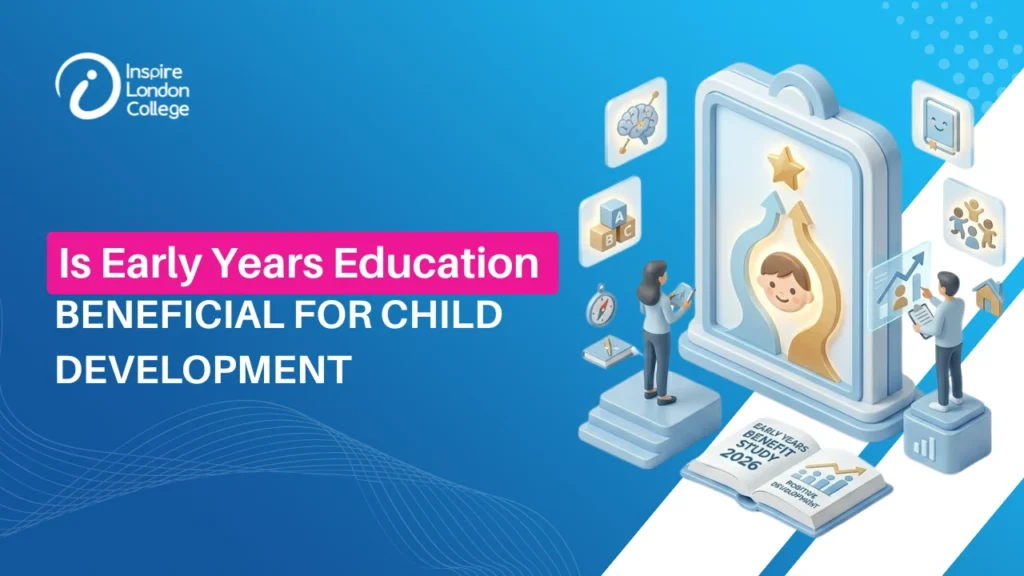

Is early years education beneficial for child development? This question often comes to mind when you think about your child’s future. The early years shape how children grow and understand the world. During this stage, children develop key skills that support their learning. Because of this, the right support can make a big difference in their growth. Moreover, understanding the value of early years education helps you make better choices for your child.
This article explores how early years education supports child development and why it plays a key role in a child’s growth.
What Is Early Years Education?
Early years education helps young children learn and grow. It focuses on building basic skills through simple activities. Moreover, children learn in places such as preschools and early learning centres. Furthermore, these environments give children a safe space to learn new things. Also, teachers guide children through play and structured activities. Understanding the importance of early childhood education shows how these early experiences shape a strong base for future learning.
Understanding Child Development in the Early Years
The early years shape how your child thinks, feels, and grows. Moreover, during this stage, children develop important skills, social behaviour, and physical movement. For instance, they learn to speak and interact with others. At the same time, they build confidence and start to understand their surroundings. This shows why early childhood education is important for children, as early support affects future learning and success. As a result, when children get the right support early on, they grow into more confident and capable individuals.
How Early Years Education Supports Child Development
Early years education helps children grow in many ways. First, it provides support to learn new skills step by step. Then, through play and simple activities, children explore and understand the world. In addition, it shapes how they think, feel, and connect with others. Overall, these early experiences build strong skills that last a lifetime.
Let’s look at how this education supports different areas of child development.
- Supporting Cognitive and Language Development
Your child learns best when they explore and ask questions. Moreover, the early years of education help your child think clearly and understand new ideas. Furthermore, activities such as stories, reading, and simple games improve language skills. In addition, your child learns how to express thoughts and feelings. This support builds strong thinking and communication skills early on.
- Promoting Social and Emotional Growth
Your child needs to learn how to handle feelings and build relationships. Moreover, early years education helps your child share, take turns, and work with others. Furthermore, it also teaches how to express emotions. As a result, your child feels more confident and secure. This growth helps your child build strong relationships in the future.
- Encouraging Physical Development
Your child needs to move and stay active to grow strong. Early years education includes activities like running, drawing, and playing. In addition, your child develops better balance and coordination. Ultimately, this shows the benefits of early childhood education for teachers, as it allows them to guide physical growth effectively.
- Developing Communication Skills
Your child learns to connect with others through communication. Moreover, early years education gives many chances to talk and listen. Furthermore, your child learns to understand others and respond clearly. In addition, group activities help your child share ideas and work with others. These skills support both learning and social growth.
- Building Confidence and Problem-Solving Skills
Your child grows when they try new things on their own. Moreover, early years education encourages problem-solving. Your child learns to face small challenges with confidence. As a result, confidence grows step by step. This support helps your child become more independent and ready for the future.
The Role of Structured Learning and Play in Early Years Education
Children learn best when learning feels like play. Structured learning gives your child clear guidance and simple goals. At the same time, play allows your child to explore, imagine, and enjoy the process. Moreover, when you combine both, learning becomes more effective and engaging. In addition, this balance helps your child stay interested and active. Through this approach, your child can build skills while having fun every day.
Long-Term Benefits of Early Years Education for Children
What are the long-term benefits of early childhood education? The support a child receives early in life can shape their future. Through play and guided activities, they learn to make independent choices. Over time, these experiences create a strong foundation that supports learning and everyday life.
Here are the key benefits children can gain:
- Builds strong learning habits: Early learning helps focus, listening, and enjoying the process of learning from the very start.
- Improves confidence: Trying new activities and expressing ideas helps children feel more secure and self-assured.
- Strengthens social skills: Sharing, cooperating, and making friends are easier through guided interactions.
- Develops communication skills: Speaking clearly, understanding others, and expressing thoughts improve naturally in structured settings.
- Encourages independence: Making small choices and solving simple problems supports a sense of autonomy.
- Supports school readiness: Exposure to routines, rules, and structured learning helps children adjust to school life.
- Helps handle challenges: Learning to stay calm and manage small problems prepares children for future situations.
- Creates a strong foundation for the future: These early skills create a strong foundation for success in school and in daily life.
Final Thoughts
Early years education plays a key role in shaping your child’s future. Are you still wondering if early years education is beneficial for child development? The answer is a resounding yes. It supports learning, social skills, communication, and independence from a young age. Children who receive the right early support often become confident and capable. Also, it gives them a strong foundation that helps in learning and life skills. Understanding what is early learning and childcare helps you make the best choices for your child’s growth. By investing in quality early learning, you give your child the tools to succeed now and in the years ahead.