
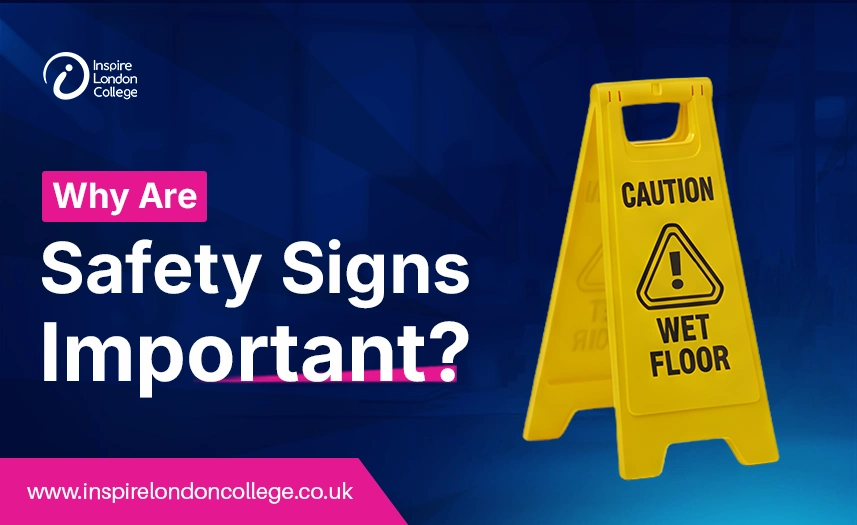

Safety signs warn you before an accident happens by clearly showing hazards and risks. Because they use simple colours, symbols, and messages, people can understand them quickly and act safely. In addition, safety signs guide behaviour, highlight emergency equipment, and help protect workers and visitors while supporting health and safety requirements.
Read on to discover why are safety signs important for safer workplaces and public spaces.
What Are Safety Signs?
Safety signs in the UK are mandatory visual signals that use colours, shapes, and symbols in workplaces. They help warn people about hazards, discourage dangerous actions, show required safety steps, and point out emergency exits. Under the Health and Safety (Safety Signs and Signals) Regulations 1996, organisations follow clear guidelines. In short, people use safety signs when other methods cannot fully reduce risks.
Why Safety Signs Matter
Why are signs so important? Safety signs play a significant role in keeping people safe at work. They help identify risks, guide safe actions, and prevent accidents before they happen. Overall, they create a safer environment for everyone, including workers and visitors. Let’s explore the main reasons why safety signs matter and how they support everyday safety in the workplace.
Hazard Identification and Risk Reduction
Safety signs help people notice dangers such as high voltage, wet floors, or moving machinery. As a result, people stay alert, and accidents and injuries become less likely.
Immediate Information
Safety signs use clear colours, symbols, and short messages to share important instructions quickly. Because of this, people can understand what to do straight away, even in busy or high-risk areas.
Safety Compliance and Legal Protection
Displaying safety signs supports health and safety rules in the workplace. In this way, businesses show care for safety and reduce the risk of legal issues.
Guidance and Safety Culture
Safety signs point out emergency exits, fire equipment, and PPE requirements. Over time, they encourage safe habits and help build a strong safety culture.
Protection for Visitors
Visitors and contractors may not know the workplace well. Therefore, clear safety signs help guide them safely and reduce the chance of accidents.
Types of Safety Signs
Safety signs are essential tools in any workplace because they communicate hazards, required actions, and emergency information quickly and clearly. These signs use specific colours and shapes to help everyone understand what to do and where to go, reducing the risk of accidents. The main types of safety signs include:
● Prohibition Signs (Red): These signs indicate actions that are not allowed, such as “No Smoking” or “No Entry.” They are usually circular with a red border and diagonal bar, making the restriction clear at a glance.
● Warning Signs (Yellow): These alert people to potential hazards, such as “High Voltage” or “Slippery Floor.” Typically, they are triangular with a black border to draw attention quickly.
● Mandatory Signs (Blue): These signs show actions that should be followed, like “Eye Protection Required” or “Keep Clear.” They are usually circular and blue, clearly guiding safe behaviour.
● Emergency/Safe Condition Signs (Green): These indicate safe routes, emergency exits, or first-aid points, for instance, “Emergency Exit” or “First Aid Kit.” They are generally rectangular with white symbols on a green background.
● Fire Safety Signs (Red): These highlight the location of fire-fighting equipment, such as fire extinguishers or alarm call points, and are usually square or rectangular.
● Danger Signs: These signal high-level, immediate hazards, often with a prominent “Danger” header to ensure instant attention.
● Information/Notice Signs (Blue/White): These provide general guidance or instructions, such as “Staff Only,” helping maintain order and awareness.
Maintaining Safety Signs
Having safety signs is not enough; workers need to understand their meanings. Signs should be visible, relevant, and regularly checked. Replace damaged, faded, or unreadable signs to maintain effectiveness and ensure ongoing safety.
Final Thoughts
Safety signs save lives. They warn people about dangers and show them how to stay safe. When signs are clear and visible, accidents happen less often. They also help organisations follow safety laws. Most importantly, safety signs remind everyone to think about safety every day, making workplaces and public spaces safer for all.